Winning Game of the Year is more than just earning a trophy—it’s a recognition that a game defined its era. These titles didn’t just sell well; they changed how we play, tell stories, and experience virtual worlds. Let’s take a journey through every Game of the Year winner, exploring what made each of them truly special.
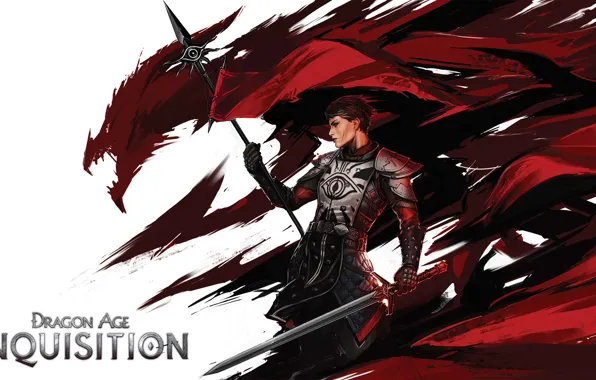
2014 – Dragon Age: Inquisition
BioWare’s epic RPG brought players into the vast world of Thedas, filled with political tension, magical threats, and meaningful choices. What set Inquisition apart was its scale. Massive open zones, deep companion relationships, and morally complex decisions made players feel like true leaders of the Inquisition. It revived faith in large-scale Western RPGs at a time when many thought the genre was fading.
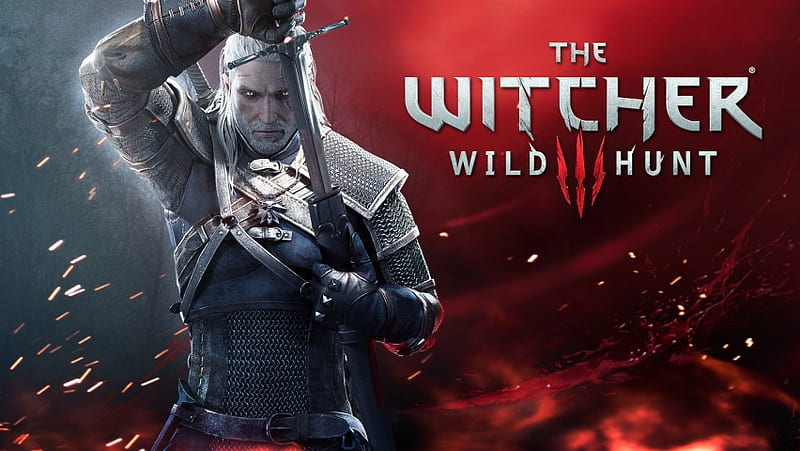
2015 – The Witcher 3: Wild Hunt
Few games have redefined storytelling like The Witcher 3. CD Projekt Red delivered a living, breathing fantasy world where even side quests felt meaningful. Geralt of Rivia’s journey was mature, morally gray, and emotionally rich. The game raised expectations for open-world design, showing that quality writing and player choice could coexist with massive exploration.
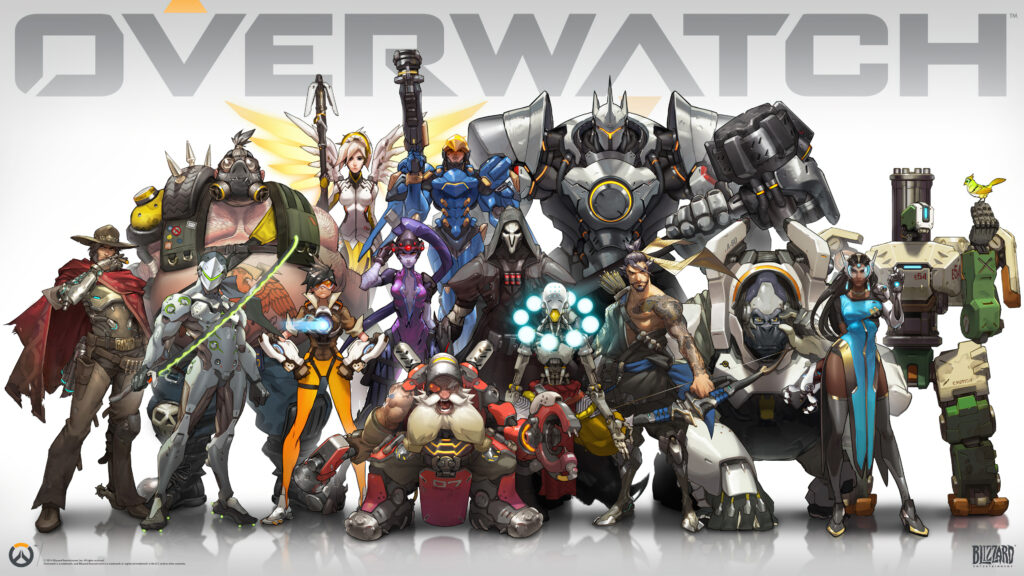
2016 – Overwatch
Overwatch proved that multiplayer games could be joyful, colorful, and inclusive. Blizzard introduced a hero shooter that emphasized teamwork, personality, and fast-paced action. Each character had a unique identity and playstyle, and the game’s accessibility helped it reach casual and competitive players alike. It became a cultural phenomenon almost overnight.
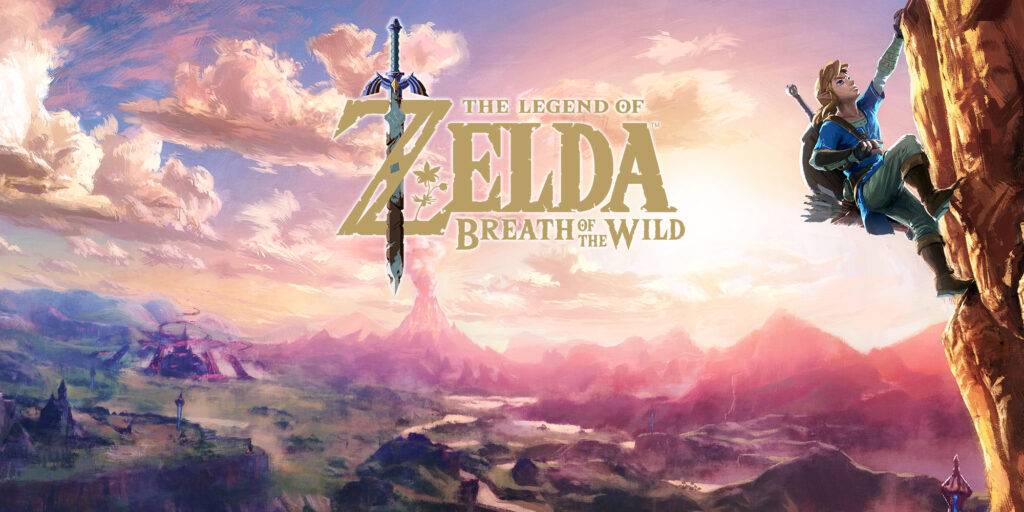
2017 – The Legend of Zelda: Breath of the Wild
Nintendo shattered its own formula and rebuilt Zelda from the ground up. Breath of the Wild rewarded curiosity rather than hand-holding, allowing players to solve problems in countless ways. Its physics-driven gameplay and open-ended exploration influenced game design across the industry. This wasn’t just a great Zelda game—it was a landmark moment for open-world gaming.
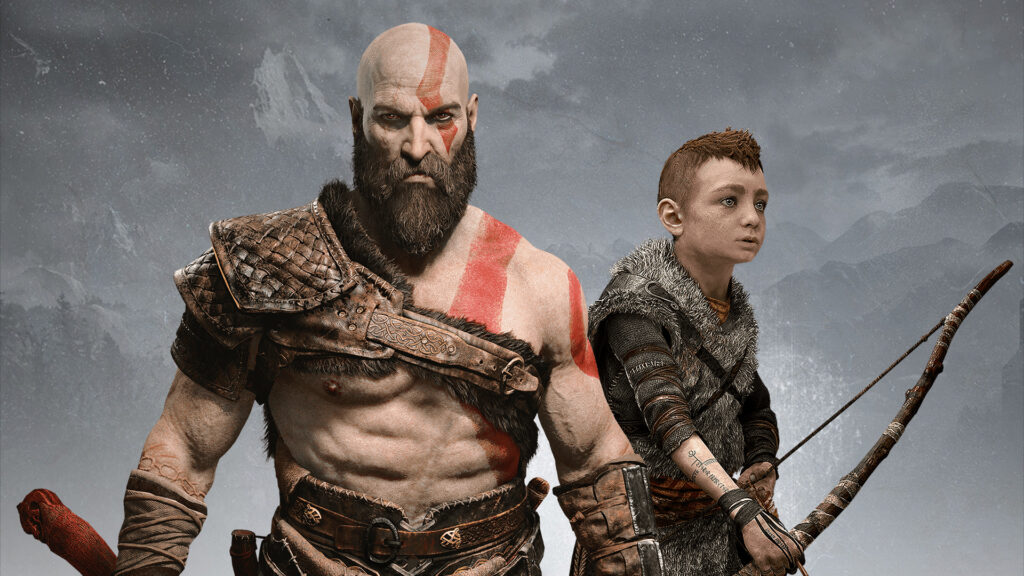
2018 – God of War
Kratos returned, but this time he was older, quieter, and deeply human. God of War reinvented the franchise with a cinematic camera, emotional storytelling, and a powerful father-son narrative. The combat felt brutal yet precise, while the Norse mythology provided a fresh and immersive setting. It proved that long-running franchises can evolve without losing their soul.
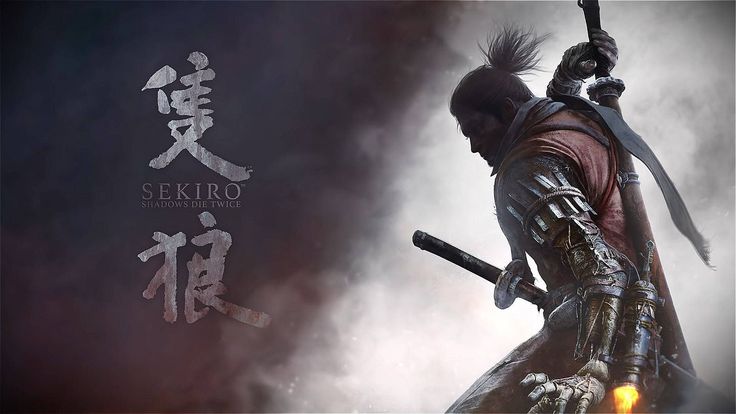
2019 – Sekiro: Shadows Die Twice
FromSoftware took a bold step away from traditional RPG mechanics and focused on pure skill. Sekiro demanded precision, patience, and mastery of its combat system. Victory felt earned, not given. Its intense swordplay and unforgiving difficulty made it one of the most rewarding games ever created for players willing to learn its rules.
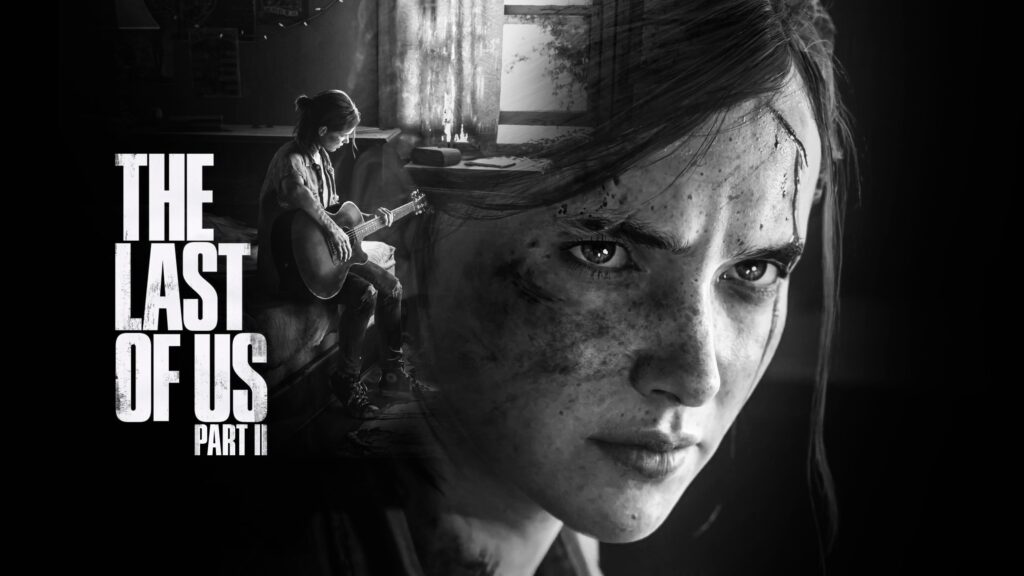
2020 – The Last of Us Part II
Few games sparked as much discussion as The Last of Us Part II. Naughty Dog delivered a brutal, emotionally challenging story that explored grief, revenge, and empathy. The gameplay was refined and tense, while the narrative pushed players to question their own actions. Love it or hate it, the game proved how powerful interactive storytelling can be.
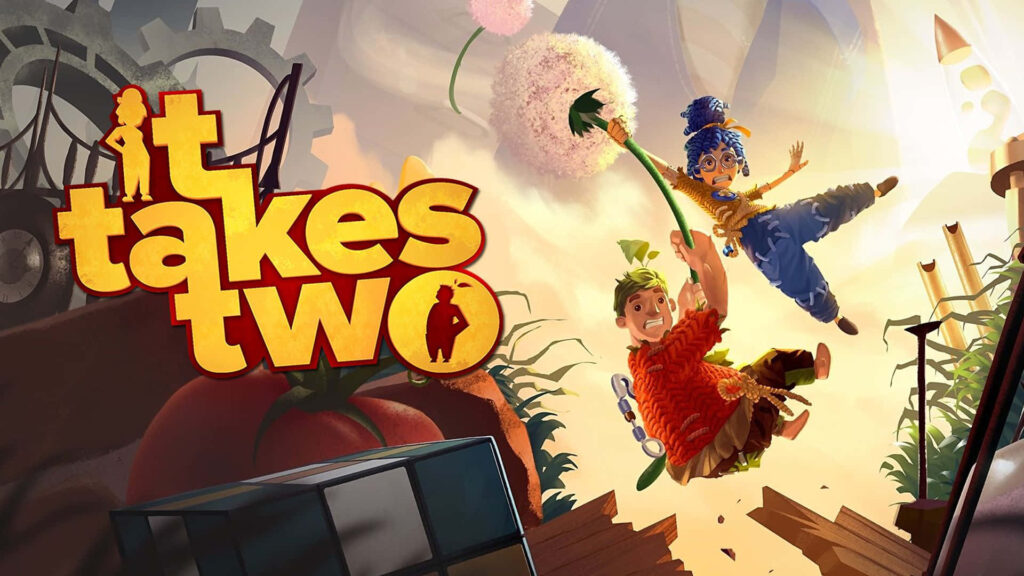
2021 – It Takes Two
A celebration of cooperation, It Takes Two was built entirely around two-player gameplay. Every mechanic served the story of a couple trying to fix their broken relationship. The game constantly introduced new ideas without overstaying their welcome, making it one of the most creative and joyful experiences of the decade.
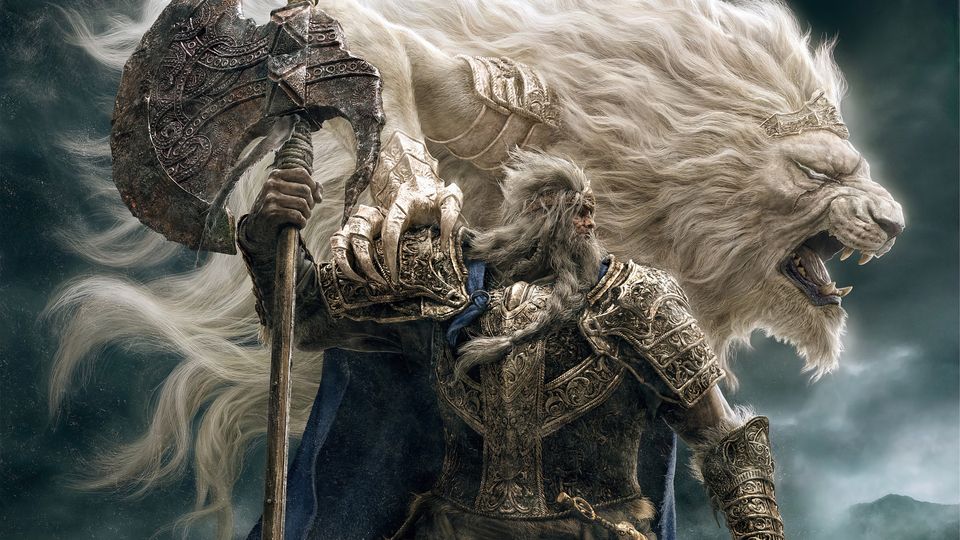
2022 – Elden Ring
Elden Ring took the Souls formula and unleashed it into a massive open world. With freedom as its core design principle, players could explore, fight, or flee as they saw fit. The mysterious storytelling, punishing combat, and sense of discovery created a once-in-a-generation experience. It welcomed new players without compromising its challenge.
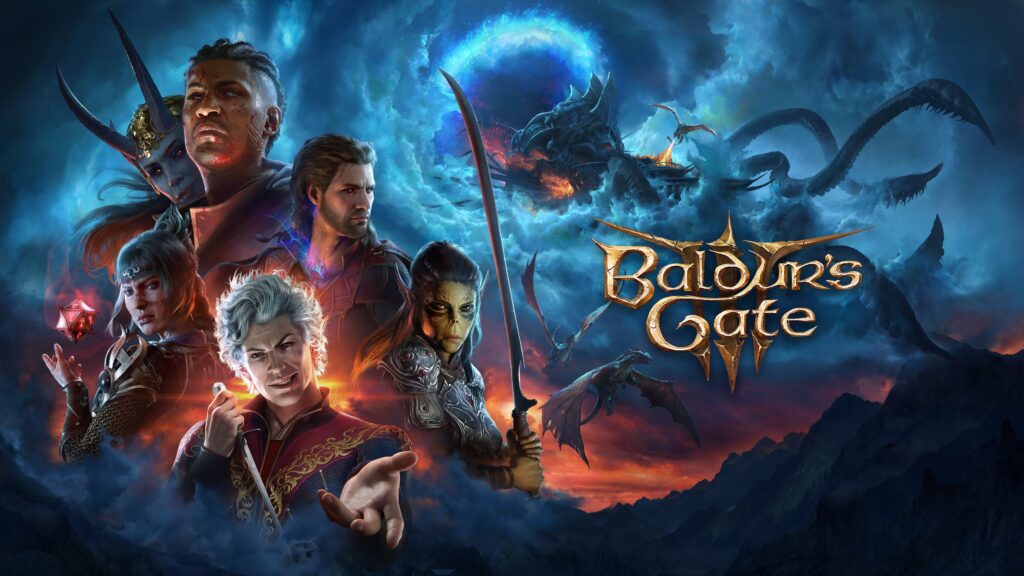
2023 – Baldur’s Gate 3
Larian Studios delivered a modern RPG masterpiece rooted in classic tabletop role-playing. Baldur’s Gate 3 offered unparalleled player freedom, deep character interactions, and meaningful consequences for every decision. Its attention to detail and respect for player choice set a new standard for role-playing games.
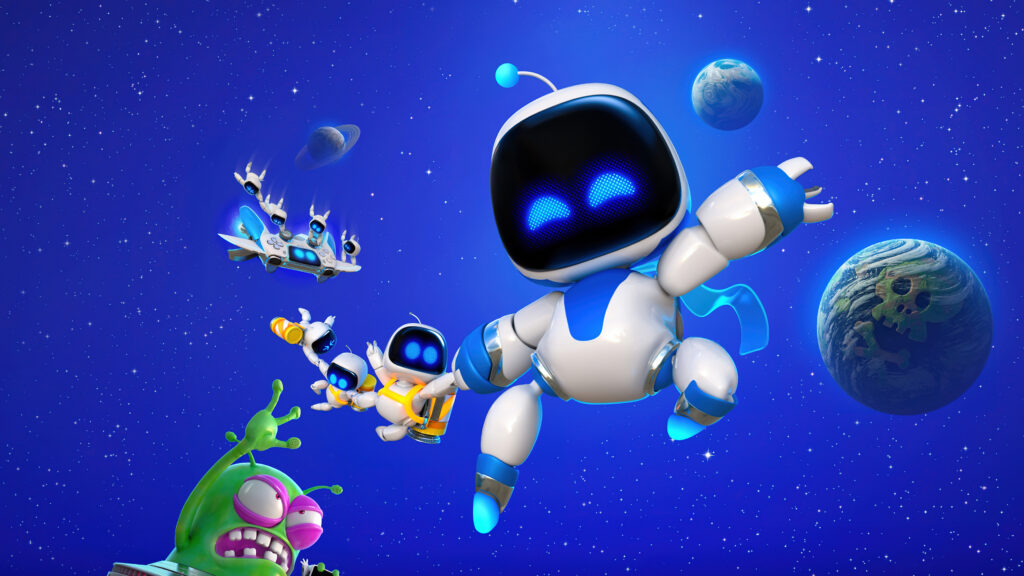
2024 – Astro Bot
With Astro Bot, developers reminded the world that pure joy and innovation still matter. Combining imaginative level design, charming characters, and clever mechanics, it became one of the most delightful platformers of the decade—proving that fun, creativity, and heart can earn Game of the Year glory too.
2025 – Clair Obscur: Expedition 33
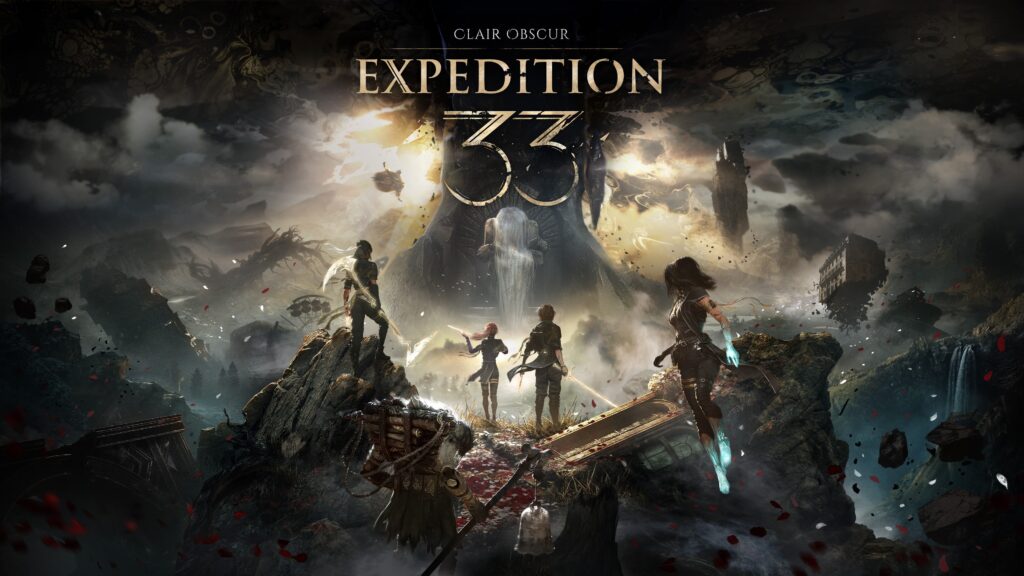
At The Game Awards 2025, Clair Obscur: Expedition 33 took home the coveted Game of the Year title, standing out among formidable contenders like Death Stranding 2: On the Beach, Hades II, Hollow Knight: Silksong, and Kingdom Come: Deliverance II for its compelling blend of narrative, art, and design. Developed by Sandfall Interactive, this dark fantasy RPG swept the ceremony, setting a new record with nine total awards including Best Game Direction, Best Narrative, Best Art Direction, and Best RPG, cementing its place as a defining experience of 2025.